
Leading Pool Leveling Options For Professional-Quality Results
Browse through industry-leading products designed to deliver professional-grade leveling for pools of all sizes.
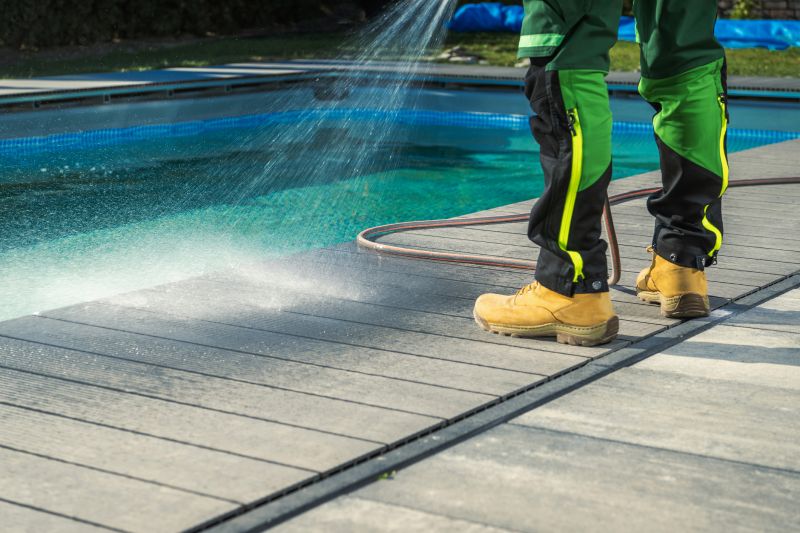 Maintaining a level pool deck is essential for safety, aesthetics, and proper water circulation. Pool levelings encompass a variety of products designed to correct uneven surfaces, fill in low spots, or stabilize surrounding areas. These solutions can range from simple patches to more advanced leveling compounds that provide a smooth, durable finish. When selecting products for pool leveling, it's important to consider the specific needs of your pool area, including the surface material, extent of unevenness, and environmental conditions.
Top Overall Option
High-Performance Pool Leveling Compound
This versatile leveling compound offers excellent adhesion, durability, and ease of application, making it suitable for a variety of pool surface repairs. Its smooth finish helps create a safe, even surface that resists cracking and water damage over time.
Types of Products For Pool Levelings
Self-Leveling Overlays
Quick-setting overlays that spread evenly to create a smooth, level surface with minimal effort.
Patching Compounds
Designed for filling cracks, holes, and low spots with a durable, adhesive formulation.
Concrete Resurfacing Products
Specialized coatings that restore and level concrete pool decks, providing a fresh finish.
Polymer-Based Fillers
Flexible fillers that adapt to slight movements and prevent cracking over time.
Epoxy-Based Repairs
High-strength epoxy formulations for structural repairs and leveling of pool surfaces.
Cementitious Patching Mixes
Traditional cement mixes formulated for durable, long-lasting repairs on pool decks.
Quick-Set Repair Mortars
Fast-curing mortars ideal for urgent repairs and leveling tasks.
Waterproofing Sealers
Sealers that protect leveled surfaces from water infiltration and extend lifespan.
Underlayment Mats
Pads and mats used beneath pavers or tiles to create a level base.
Polyurethane Foam Fillers
Expandable foam used for filling large voids and leveling uneven surfaces.
Popular Choices
Widely used for quick, even surface repairs in pool areas, these overlays are favored for their ease of use.
Comprehensive kits that include fillers and sealers for addressing cracks and uneven spots.
Popular for restoring damaged concrete decks, offering durability and a smooth finish.
Favored for their strong adhesion and resistance to water and chemicals, suitable for structural repairs.
Preferred for fast repairs, these mortars cure quickly and are easy to work with.
Popular for sealing leveled surfaces, preventing water infiltration and prolonging surface life.
Flexible options that accommodate slight movements, often chosen for their longevity.
These mats help create an even base for pavers and tiles around the pool area.
Used for filling large voids and leveling uneven surfaces efficiently.
Pool leveling products are formulated to adhere to different materials such as concrete, plaster, or pavers. They are designed to withstand exposure to water, chemicals, and foot traffic. Proper application ensures a long-lasting repair that maintains the integrity of the pool deck and prevents hazards like tripping or water pooling. Some products are ready-to-use, while others require mixing or specific preparation steps. Additionally, the choice of product can influence the ease of installation and the final appearance of the repaired area.
In addition to traditional leveling compounds, there are also specialized solutions such as self-leveling overlays and patching compounds that can be applied with minimal effort. These products often feature quick-setting formulas that reduce downtime and allow for faster completion of repair projects. For larger or more complex unevenness, professional consultation might be recommended to ensure the most effective and durable solution. Ultimately, selecting the right pool leveling product depends on understanding the specific conditions of your pool area and the desired outcome.
Key Buying Considerations
- Compatibility with your pool surface material such as concrete, plaster, or pavers.
- Extent of unevenness or damage to determine the appropriate product type and size.
- Water resistance and durability to withstand pool chemicals and weather exposure.
- Ease of application, including whether the product requires professional skills or can be DIY-friendly.
- Curing time and how it impacts your pool maintenance schedule.
- Flexibility of the product to accommodate slight movements without cracking.
- Adhesion strength to ensure long-lasting repairs on different surfaces.
- Finish appearance, especially if the repair will be visible or part of the aesthetic design.
- Environmental conditions such as temperature and humidity during application.
- Availability of sealing or waterproofing features to protect the repair area.
- Product safety and toxicity, especially in enclosed or covered pool areas.
- Compatibility with existing pool finishes and coatings.
- Cost considerations relative to the size and scope of the repair project.
- Product reviews and manufacturer reputation for quality and reliability.
- Availability of technical support or instructions for best results.
This page contains affiliate links. We may earn a commission if you purchase through these links, which helps support our efforts to provide comprehensive and helpful content.